Normalise mistakes
Respond constructively to errors, uncertainty and imperfect ideas so learning can happen earlier.
 ListenAdapt
PSYCHOLOGICAL SAFETY WORKSHOPS
Practical, research-informed workshops help teams listen, respond and learn from mistakes, so that more people feel able to speak up, contribute and adapt together.
TRUSTED BY PARTICIPANTS IN ORGANISATIONS INCLUDING META, DNB, ANSA AND HRP
“You get to know colleagues differently and step outside your comfort zone.”
“Marius made every exercise feel safe and approachable.”
WHEN PEOPLE HOLD BACK
Psychological safety is not about making work comfortable or avoiding disagreement. It is the practical ability to ask questions, admit mistakes, challenge assumptions and offer unfinished ideas without unnecessary interpersonal risk.
ListenAdapt turns these behaviours into something teams can practise. Improvisation and acting techniques make interaction visible: participants experience how attention, body language and responses can either open or close the space for contribution.
WHAT TEAMS PRACTISE
Respond constructively to errors, uncertainty and imperfect ideas so learning can happen earlier.
Notice more, stay with other perspectives and reduce the urge to prepare the next response.
Accept and develop colleagues’ offers instead of blocking, correcting or competing too quickly.
Recognise nonverbal signals and adapt body language to support trust, clarity and participation. Read more about body language workshops.
Explore tension and different viewpoints while maintaining respect, curiosity and forward movement.
Respond to changing conditions with greater awareness, flexibility and shared responsibility.
HOW IT WORKS
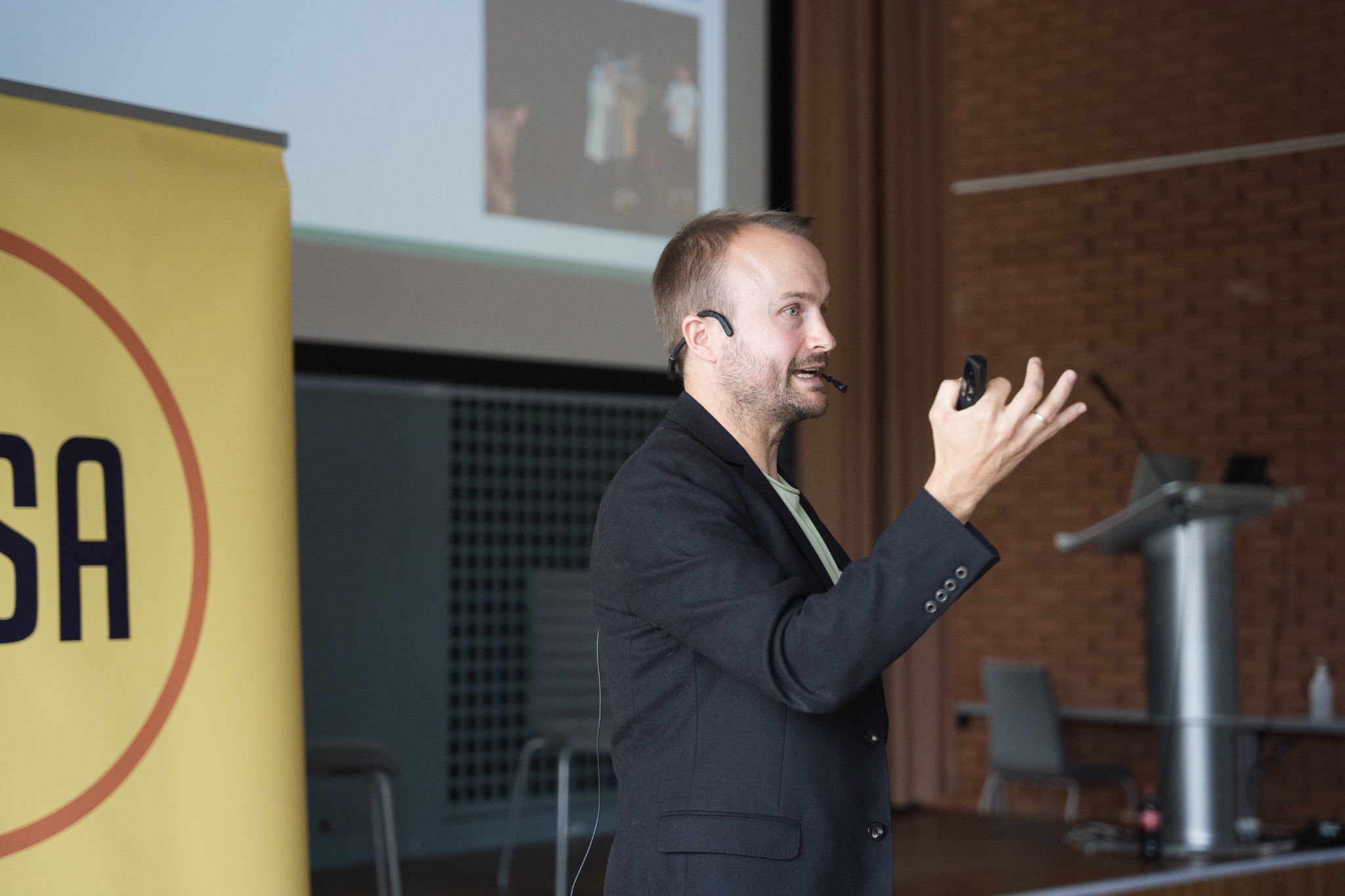
Participants work on the floor through carefully framed exercises. The group reflects on what happened, connects the experience to real working relationships and tests alternative behaviours.
CLIENT CASE · KPMG
How can colleagues practise uncomfortable workplace situations while still feeling safe enough to participate, experiment and learn?
KPMG wanted an engaging learning experience for employees across age groups and levels of experience. The workshop formed part of a two-day gathering focused on soft skills and commercial capabilities after an intensive annual reporting period.
Priorities included constructive feedback, effective collaboration and greater awareness of nonverbal communication in client meetings, teamwork, sales and presentations.
ListenAdapt designed an experiential session using applied improvisation and acting techniques. Participants practised noticing body language, adapting how they met others and responding to unfamiliar or uncomfortable situations within a safe and inclusive framework.
The exercises increased awareness of body language, attitudes and everyday interactions. They also helped colleagues connect outside their usual office roles. One relatively new employee described the workshop as a very good way to get to know everyone.
FLEXIBLE WORKSHOP FORMATS
Every engagement is adapted to the group, context and desired behavioural change.
1-3 hours for a defined theme, conference session or team development day.
A half or full day combining practice, reflection and direct application to current work.
Multi-session work supporting deeper practice, transfer and lasting change.
For leadership teams, departments and organisation-wide groups of 5–100 participants.
RELEVANT EXPERIENCE
Marius Opheim Thomassen has 14 years of teaching experience and researches applied improvisation, embodied learning and nonverbal behaviour at Kristiania University College.
Relevant work includes team and leadership development for organisations such as KPMG, Askim Entreprenør, ANSA and DNB, alongside teambuilding sessions across sectors.
Discuss a relevant case or challenge →FREQUENTLY ASKED QUESTIONS
It is a facilitated learning experience where teams practise behaviours that make it easier to ask questions, contribute ideas, acknowledge uncertainty and learn from mistakes.
No. Exercises are introduced gradually and framed around workplace learning. Participants are not expected to perform comedy or be entertaining.
Yes. The format, examples and exercises are designed around your group, working context and the situations you want people to handle better.
Sessions can be designed for groups from approximately 5 to 100 people, with formats supporting safe participation and useful reflection.
Formats range from a focused one-hour introduction to multi-day programmes or a sequence of sessions with practice between meetings.
START A CONVERSATION
Share the situation, the people involved and the change you want to see. Marius will respond personally with an initial suggestion.
Discuss your challenge